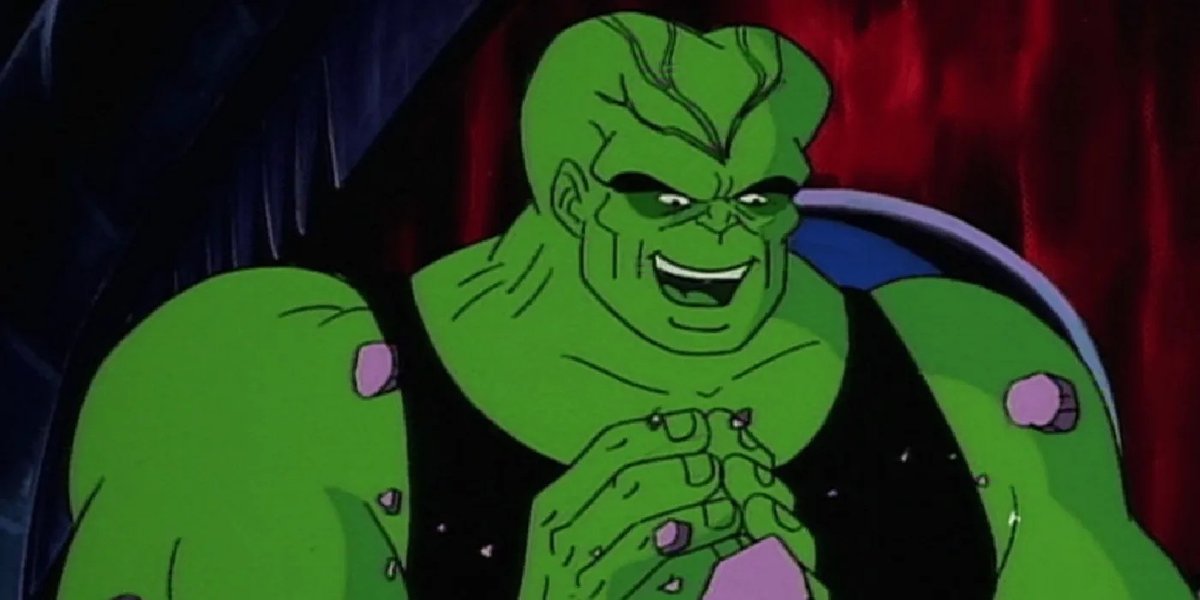
Few characters in the Marvel pantheon embody raw power, tragic loneliness, and surprising depth quite like the Incredible Hulk. For nearly sixty years, long before the cinematic universe made him a household name, Bruce Banner’s gamma-powered alter ego has smashed his way across animation, starring in his own shows and guest-starring in countless others. This comprehensive Hulk Animated Series Guide isn't just a list; it’s your definitive roadmap to understanding the big guy's evolution on the small screen, helping you appreciate every roar and poignant moment.
Ready to dive deep into the green giant’s animated history? Let’s smash through decades of incredible storytelling.
At a Glance: Your Hulk Animated Series Roadmap
- A Timeless Journey: Hulk’s animated presence spans from crude 1960s anthology segments to modern, sophisticated productions, reflecting the character’s enduring appeal and the evolution of animation itself.
- Dual Nature Defined: Animated series consistently explore the core conflict of Bruce Banner’s intellect versus Hulk’s rage, making him a complex figure for generations of viewers.
- A Foundational Character: Marvel Animation introduced Hulk's duality to children through television long before the MCU, establishing his iconic status.
- Continuity Connections: Many series exist within shared animated universes, offering rich crossovers and interconnected narratives.
- Diverse Portrayals: You'll find everything from tragic anti-hero to lovable brute, showcasing the character's incredible adaptability across different tones and target audiences.
Why the Hulk Endures in Animation
The Hulk is more than just a strongman; he’s a potent symbol of unchecked power, inner turmoil, and the consequences of scientific ambition gone awry. His transformation from the mild-mannered Bruce Banner into the monstrous green goliath offers an endless well of dramatic potential. Animation, with its boundless visual possibilities, has always been the perfect medium to bring his seismic battles and emotional struggles to life.
Through the decades, these animated adventures have introduced the Hulk to new audiences, evolving his character alongside the superhero genre itself. From simple, panel-for-panel comic adaptations to nuanced character studies, the animated Hulk has always been a mirror reflecting society's fascination with the hero and the monster within.
The Early Roars: Hulk's First Animated Smashes (1960s-1980s)
Before CG animation and intricate story arcs, the Hulk made his small-screen debut in a rather unique way, laying the groundwork for all future animated appearances.
The Marvel Super Heroes (1966)
Believe it or not, Hulk's first animated foray wasn't a standalone series but a segment within The Marvel Super Heroes. This anthology show was a marvel of its time, quite literally using limited animation techniques where comic book panels were photographed and voiced over. For Hulk, these segments directly adapted early Stan Lee and Jack Kirby stories, bringing the original vision to life.
You’ll witness the initial transformation of Bruce Banner, the raw, often tragic elements of his existence, and the constant conflict with humanity. It’s a fascinating, if primitive, glimpse into the character’s foundational myths, emphasizing his monstrous strength and profound loneliness. Watching these episodes today offers a direct portal to the Silver Age of comics.
The Incredible Hulk (1982-83)
Almost two decades later, Hulk finally got his first solo animated series. This 13-episode run, produced by Marvel Productions and overseen by Stan Lee himself, delved deeper into the comic book mythology. Here, you’ll find classic characters like Rick Jones, Betty Ross, and the relentless General "Thunderbolt" Ross, all central to Hulk’s ongoing saga.
The series leaned heavily into action and adventure, but never shied away from the tragic isolation that defines Bruce Banner. It’s a solid, if short-lived, exploration of Hulk's core identity, capturing the essence of his comic book persona for a new generation. The show notably aired alongside Spider-Man and His Amazing Friends, sometimes even sharing subtle elements of continuity.
Spider-Man and His Amazing Friends (1981-83)
While not a Hulk series, his guest appearance in Season 1, Episode 9, “Spidey Goes To Hollywood,” is an unmissable moment. Here, he teams up with Spider-Man, Iceman, and Firestar, helping to consolidate a broader Marvel animated universe on television. This crossover introduced the Hulk's persona to an even wider, younger audience, showcasing his potential as a valuable, if unpredictable, ally. If you’re following a chronological watch order, catching this episode between segments of the 1982 Incredible Hulk series makes perfect sense. For a broader look at how Peter Parker has evolved on screen, you might want to consider diving into Spider-Man's animated history.
The Banner Decade: Hulk's 90s Renaissance and the Marvel Animated Universe
The 1990s were a golden age for Marvel animation, and the Hulk was right at the center of it, receiving one of his most beloved and complex animated interpretations.
The Incredible Hulk (1996-97)
This 1990s iteration of The Incredible Hulk truly put the character in the spotlight. As a key component of the interconnected Marvel Animated Universe (which also included X-Men: The Animated Series, Fantastic Four: The Animated Series, and Iron Man: The Animated Series), this show offered a more mature and emotionally layered portrayal. Here, you see a deeper struggle within Bruce Banner, facing a multitude of classic Hulk enemies while grappling with his own identity.
The series was groundbreaking for several reasons, including the regular appearance of She-Hulk as a powerful ally, adding new family dynamics to the mix. These episodes often explored complex themes, showcasing the rich storytelling potential of the Hulk mythos. Crossovers with Iron Man and Fantastic Four further cemented its place within a grander animated tapestry. To truly appreciate the scope of this era, you’d benefit from exploring the full Marvel Animated Universe, and for a deeper dive into his cousin's adventures, She-Hulk's animated journey is an excellent next step.
Modern Mayhem: Hulk's Diverse Appearances in the New Millennium
As animation techniques evolved and the Marvel Universe expanded, Hulk’s appearances became more varied, catering to different tones and audiences.
Fantastic Four: World's Greatest Heroes (2006-10)
Hulk made memorable appearances in two episodes of this Canadian-produced series: Season 1, Episode 7 “Hard Knocks” and Episode 18 “The Cure.” Fantastic Four: World's Greatest Heroes sported a fresh, anime-inspired aesthetic, and Hulk’s role in it perfectly blended comedy with action. His interactions, particularly with Thing, often highlighted a rivalry that could quickly turn into reluctant alliance, showcasing his adaptability to different team dynamics and visual styles.
Wolverine and the X-Men (2009)
In the darker, more serial narrative of Wolverine and the X-Men, Hulk makes a brief but powerful cameo in Season 1, Episode 9, "Wolverine Vs. The Hulk." This appearance was a direct nod to their iconic comic book clashes, depicting a raw, intense battle in a more mature setting. While short, it left a lasting impression, proving that even a quick Hulk smash could elevate a story.
Iron Man: Armored Adventures (2009-12)
This alternate continuity series focused on a teenage Tony Stark, and Hulk’s appearance in Season 1, Episode 23, “Uncontrollable,” brought his essential characteristics—raw power, uncontrollable rage, and glimpses of deeper humanity—to a younger, technologically-advanced world. The episode sees young Tony Stark having to subdue the rampaging Hulk while simultaneously trying to help Bruce Banner find a cure, offering a fresh take on their dynamic.
The Super Hero Squad Show (2009-11)
For a complete tonal shift, The Super Hero Squad Show presented the Marvel Universe with a lighter, more comedic touch, aimed squarely at a younger audience. Here, Hulk, voiced by Travis Willingham, was a main player in both seasons, portrayed as a lovable, goofy giant. This series showcased Hulk’s potential for pure fun, stripping away much of the tragedy for a character who simply enjoys smashing.
The Avengers: Earth's Mightiest Heroes (2010-12)
Widely acclaimed by fans and critics alike, The Avengers: Earth's Mightiest Heroes offered one of the most compelling animated interpretations of the Hulk, particularly in its first season. This series found a remarkable balance, showcasing Hulk's immense raw power while also revealing his surprising sharp wit and genuine friendship with his fellow Avengers.
Early episodes beautifully explored Bruce Banner's isolation and Hulk’s eventual acceptance within the team, illustrating his evolution from a misunderstood monster into a valuable, albeit volatile, team player. For anyone interested in the best of what animated Avengers shows have to offer, this series is often near the top of the list. The animated Avengers shows provide a wide spectrum, and EMH stands out as a high-water mark.
Ultimate Spider-Man (2012-17)
Hulk became a recurring guest star across ten episodes of Ultimate Spider-Man, voiced by the inimitable Fred Tatasciore. This series was known for its fast-paced humor, frequent fourth-wall breaks, and an engaging focus on a teenage Peter Parker interacting with other young heroes. Hulk here is portrayed as a powerful yet often humorous ally, less tragic and more articulate than in previous iterations. His friendship with Spider-Man is a highlight, underscoring themes of teamwork and trust in a vibrant, energetic setting.
Hulk's Enduring Legacy: Why He Keeps Smashing Onto Our Screens
The journey of the Hulk through animated television is a testament to the character's profound adaptability and timeless appeal. From the limited animation of the 60s to the intricate storytelling of modern shows, the core elements of the Hulk remain captivating: the internal struggle of Bruce Banner, the immense power of his alter ego, and the constant push and pull between destruction and heroism.
Each animated series, whether a solo venture or a guest appearance, adds another layer to our understanding of the Green Goliath. Some embrace his tragic isolation, others his simple joy in smashing, and many explore his capacity for friendship and loyalty. It’s this multifaceted nature that allows the Hulk to resonate with every new generation, constantly redefined but always recognizable.
Your Essential Hulk Animated Series Watching Order
While there's no single "correct" way to watch, here’s a suggested chronological and thematic order to fully appreciate the Hulk’s animated journey:
- The Genesis (Optional but Recommended for Context):
- The Marvel Super Heroes (1966) - Focus on Hulk segments.
- The First Solo Outing:
- The Incredible Hulk (1982-83)
- Spider-Man and His Amazing Friends (1981-83) - S1, E9 "Spidey Goes To Hollywood" (watch during/after the 1982 Hulk series for shared era context).
- The Definitive 90s Era:
- The Incredible Hulk (1996-97) - Embrace the darker, more emotional storytelling and MAU crossovers.
- Modern Interpretations & Guest Spots (Mix and Match as desired):
- Fantastic Four: World's Greatest Heroes (2006-10) - S1, E7 & E18
- Wolverine and the X-Men (2009) - S1, E9
- Iron Man: Armored Adventures (2009-12) - S1, E23
- The Super Hero Squad Show (2009-11) - Enjoy the lighter, comedic side.
- Critically Acclaimed Team-Up:
- The Avengers: Earth's Mightiest Heroes (2010-12) - Particularly Season 1 for Hulk's key role.
- The Friendly Giant:
- Ultimate Spider-Man (2012-17) - Enjoy his recurring role and dynamic with Spider-Man.
Most of these series can be found on major streaming platforms like Disney+, or through digital purchases and physical media. Happy smashing!
FAQs About Hulk's Animated World
Which Hulk series is most like the original comic books?
The Incredible Hulk (1982-83) and The Incredible Hulk (1996-97) are generally considered the most faithful adaptations, directly incorporating classic comic book storylines, characters (like Rick Jones, Betty Ross, General Ross, She-Hulk), and the core emotional struggles conceived by Stan Lee and Jack Kirby. The 1966 The Marvel Super Heroes also used direct comic panels, offering a visual fidelity to the source material, albeit with very limited animation.
Are all the 90s Marvel shows connected?
Yes, absolutely! The Incredible Hulk (1996-97) was a central part of what fans refer to as the "Marvel Animated Universe" (MAU) of the 1990s. It featured several crossovers with Iron Man: The Animated Series and Fantastic Four: The Animated Series, with characters like Iron Man, She-Hulk, and members of the Fantastic Four making appearances across different shows, creating a cohesive animated world.
Is there a definitive animated Hulk?
While "definitive" is subjective, many fans and critics point to The Avengers: Earth's Mightiest Heroes (2010-12) as offering one of the most well-rounded and compelling portrayals of Hulk. It masterfully balances his raw power, his temper, his surprising intellect, and his burgeoning role as a valued (if volatile) member of the Avengers, capturing the essence of his comic book evolution. The 1996 Incredible Hulk series also provides a very strong, emotionally deep depiction.
Why does Hulk look so different in various shows?
Hulk's appearance varies greatly due to several factors:
- Art Style: Each production company and era brings its unique artistic vision. Compare the 1960s limited animation to the anime-inspired Fantastic Four: World's Greatest Heroes or the stylized Super Hero Squad Show.
- Target Audience: Shows aimed at younger children (like Super Hero Squad) tend to have more exaggerated, softer, or comedic designs, while those targeting older audiences might opt for more realistic or intense looks.
- Creative Interpretation: Writers and animators often put their own spin on classic characters to fit the show's specific tone or continuity, leading to diverse visual interpretations over time.
Beyond the Gamma Rays: What's Next for the Green Goliath in Animation?
The Hulk’s journey through animation is far from over. His enduring themes of identity, power, and human struggle ensure his relevance, regardless of the era or target audience. As animation continues to evolve, so too will the ways in which Bruce Banner and his monstrous alter-ego are brought to life, offering fresh perspectives on a character who remains as complex as he is powerful. Whether he's a rampaging force of nature, a misunderstood hero, or a lovable brute, the Hulk continues to captivate audiences, proving his rightful place among the best superhero cartoons to ever grace our screens. For more insights into the incredible world of the Green Goliath, feel free to Explore Hulk cartoons further and discover new depths to this iconic character.