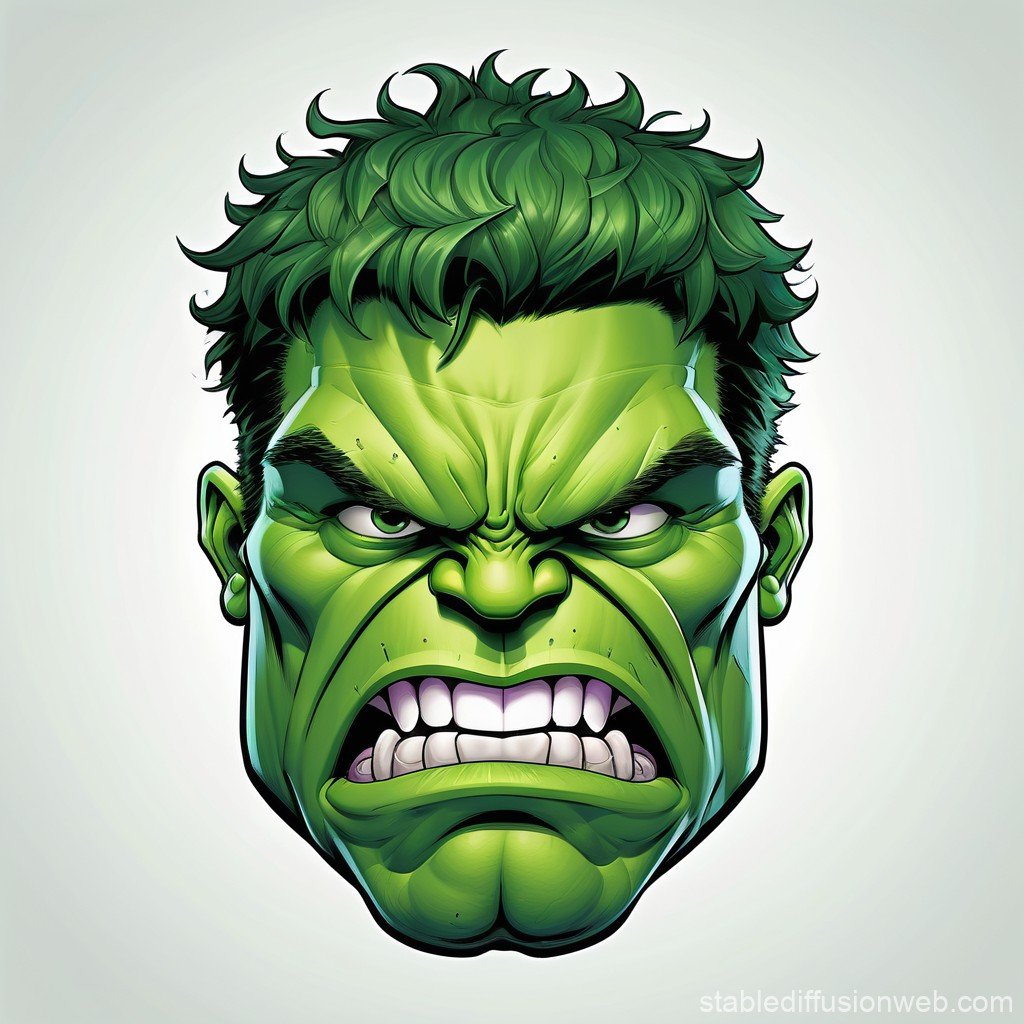
The Incredible Hulk has smashed his way through comic book pages and movie screens for decades, but it was on television that generations first truly connected with Bruce Banner's tragic duality. For nearly sixty years, animated series have brought the Jade Giant's incredible strength, profound loneliness, and fierce heroism to life, evolving alongside the superhero genre itself. These shows didn't just entertain; they showcased how the Hulk’s portrayal adapted to changing trends, technological advancements, and the expectations of a growing audience.
From his earliest limited-animation appearances to his sophisticated CGI iterations, the "hulk cartoon" legacy is a vibrant tapestry of storytelling. Join us as we journey through the pivotal animated series that defined his character, setting the stage for his eventual rise as a global pop culture icon.
The Foundations: Hulk's Animated Debut and First Solo Ventures
The Hulk first roared onto the small screen in The Marvel Super Heroes (1966), part of an anthology series featuring early Marvel Comics adaptations. These limited-animation segments faithfully introduced Bruce Banner’s gamma-powered transformations, emphasizing the Hulk’s monstrous strength and his perpetual conflict with a world that rarely understood him. It was a foundational portrayal, establishing key visual and narrative elements straight from Stan Lee and Jack Kirby's original vision.
Over a decade later, the Hulk received his first dedicated animated series with The Incredible Hulk (1982-83). This 13-episode run delved deeper into the comic book mythos, bringing characters like Rick Jones, Betty Ross, and General "Thunderbolt" Ross to a broader audience. While action-packed, it never shied away from exploring Hulk's enduring tragic loneliness. Around the same time, Hulk also made memorable guest appearances in Spider-Man And His Amazing Friends (1981-83), forming a crucial part of a shared animated Marvel Universe. For a complete chronological journey through all his major TV appearances, be sure to consult our Hulk Animated Series Guide.
The Nineties Resurgence: Emotional Depth and Crossovers
The 1990s marked a significant era for Marvel animation, and the Hulk was no exception. The Incredible Hulk (1996-97) stood out as a major spotlight series within the burgeoning Marvel Animated Universe. This iteration pushed boundaries by exploring Banner’s profound emotional struggles and featuring a richer array of classic Hulk foes and allies, including the introduction of She-Hulk. The series also embraced the concept of a shared universe with dynamic crossovers, seeing the Hulk interact with the likes of Iron Man and the Fantastic Four.
This period was crucial for expanding the perception of Hulk beyond just a smashing monster, revealing the complex individual beneath the green skin. Understanding how his appearance and character evolved over these formative years offers fascinating insights into how audiences connected with the iconic hero. To witness this visual transformation firsthand, explore the detailed changes in Hulk character evolution and design.
The 21st Century: Versatility, Team-Ups, and New Interpretations
As animation technology advanced and storytelling styles diversified, the Hulk continued his animated journey into the new millennium, showcasing incredible versatility.
- Fantastic Four: World's Greatest Heroes (2006-10): Hulk made two memorable guest appearances in this anime-influenced series, blending comedy and action as he interacted with other heroes, notably his classic rival, the Thing.
- Wolverine And The X-Men (2009): This series delivered a powerful, albeit brief, cameo that adapted Hulk’s iconic comic clash with Wolverine, portraying him in a more mature and intense setting with significant emotional depth.
- Iron Man: Armored Adventures (2009-12): Here, Hulk appeared in an alternate teenage-focused continuity, yet still maintained his core characteristics of raw power and humanity, with young Tony Stark often trying to help Bruce find a cure.
- The Super Hero Squad Show (2009-11): Catering to younger audiences, this lighthearted, comedic series featured Hulk as a major, lovable oaf, voiced by Travis Willingham, demonstrating the character's appeal across different age demographics.
- The Avengers: Earth's Mightiest Heroes (2010-12): This highly-praised series gave Hulk a pivotal role in its first season, balancing raw power with sharp wit and burgeoning camaraderie. It was crucial for exploring Banner’s isolation and Hulk’s gradual acceptance within the Avengers team, marking his evolution into a true team player.
- Ultimate Spider-Man (2012-17): Voiced by Fred Tatasciore, this version of Hulk became a recurring guest, portrayed as a more articulate and less tragic ally. His friendship with Spider-Man highlighted themes of teamwork and trust, resonating strongly with younger viewers.
Each of these appearances brought new nuances to the Hulk, from his comedic timing to his role as a vital team member. For a deeper understanding of the creative decisions behind these varied portrayals, including the talent who brought him to life, you’ll want to Meet Hulks voice cast and crew.
Beyond the Series: Deeper Lore and Behind-the-Scenes
While episodic series form the backbone of Hulk’s animated legacy, his presence also extends into compelling standalone animated movies and specials that offer unique takes on his mythos. These productions often provide more expansive storylines and explore different facets of the character. To immerse yourself further in these compelling narratives, Explore Hulks animated adventures Discover Hulks.
The journey through Hulk’s animated career is rich with intricate details, from storyboarding choices to character motivations. Fans often pore over these details, crafting compelling theories and analyses that enhance the viewing experience. If you’re eager to dive into discussions about continuity, thematic elements, and the subtle Easter eggs hidden within these series, our Hulk animated series deep dive offers a perfect starting point for your exploration.
The Enduring Legacy of the Green Goliath
The "hulk cartoon" evolution reflects not just the character's growth, but the progression of animation itself. From simple panel-to-screen adaptations to complex narratives exploring psychological depth and team dynamics, the animated Hulk has consistently captivated audiences. His story continues to resonate because it speaks to universal themes of control, identity, and the struggle to belong. As Marvel's animated universe continues to expand, one thing remains certain: the Incredible Hulk will keep smashing his way into our hearts, forever a symbol of untamed power and undeniable humanity.