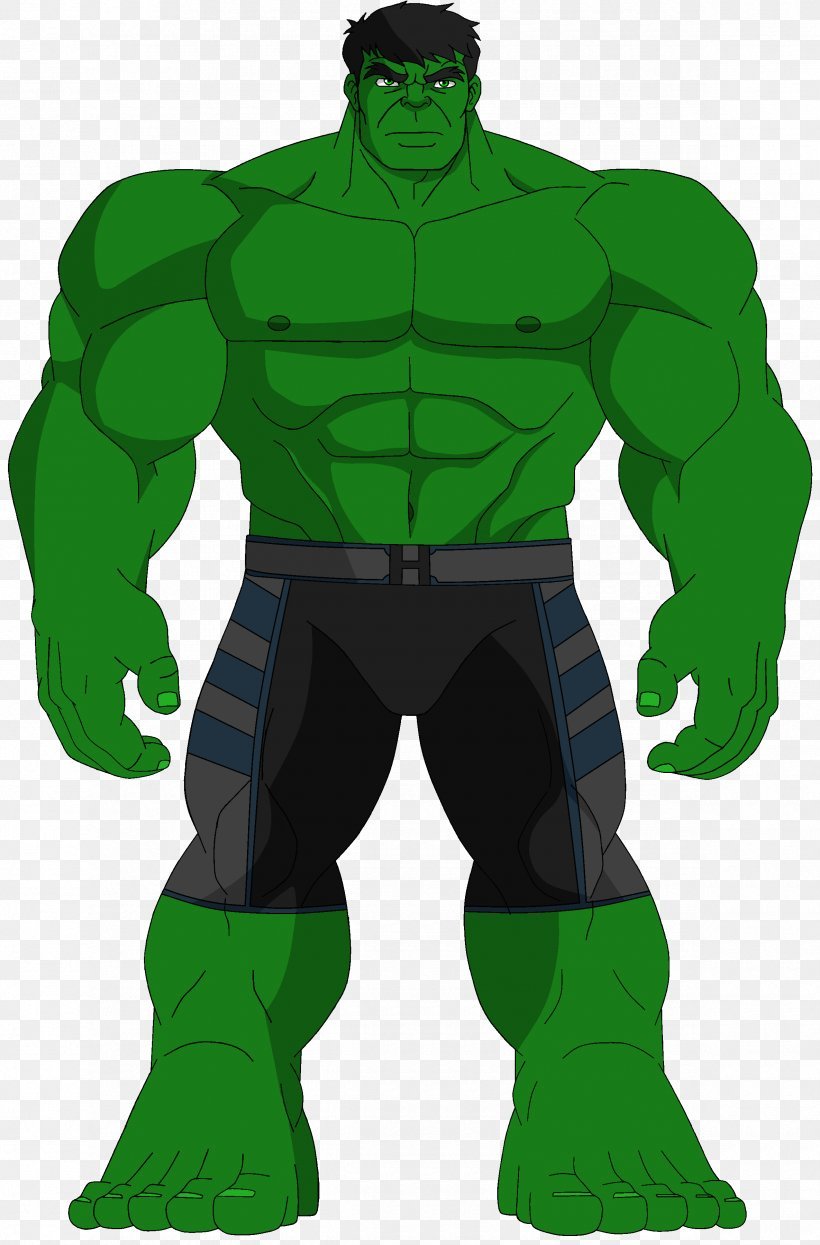
The colossal, jade-skinned powerhouse known as the Hulk has smashed his way into the hearts of fans for over six decades. But how has this iconic character’s visual and narrative identity shifted across the vibrant landscape of animation? Understanding the Hulk Cartoon Character Evolution & Design isn't just about tracing line art; it’s about watching a Marvel icon adapt, grow, and continue to resonate with new generations, reflecting societal anxieties and superhero storytelling trends along the way.
From his tumultuous comic book debut to his various animated incarnations, the Hulk embodies raw power, internal conflict, and an enduring struggle with identity. His journey through the animated realm offers a unique lens into how complex comic book lore is distilled and redesigned for visual storytelling, making his enduring appeal a testament to thoughtful character design and narrative adaptation.
At a Glance: The Hulk's Animated Evolution
- Origin Story: Born from scientist Bruce Banner's exposure to gamma radiation, mirroring Dr. Jekyll and Mr. Hyde.
- Color Shift: Initially gray in comics, practical printing issues cemented his iconic green hue.
- Transformation Triggers: Evolved from night-only to anger/stress-induced, crucial for animation.
- Psychological Depth: Later revelations in comics unveiled a traumatic past and dissociative identity disorder, influencing animated personas.
- Design Adaptations: Animated designs have ranged from simplified, towering figures to more detailed, expressive models reflecting different Hulk personalities (Savage, Joe Fixit, Professor Hulk).
- Visual Storytelling: Animators use size, muscle definition, facial expressions, and dynamic movement to convey his limitless strength and emotional turmoil.
- Enduring Legacy: His consistent presence in animation highlights his adaptability and universal appeal as a symbol of untamed power and internal struggle.
The Gamma Genesis: Bruce Banner's Monstrous Birth
The Hulk first burst onto the scene in 1962, a collaborative brainchild of legendary creators Stan Lee and Jack Kirby in The Incredible Hulk #1. Inspired by classic literary figures like Mary Shelley’s Frankenstein and Robert Louis Stevenson’s Dr. Jekyll and Mr. Hyde, Lee and Kirby crafted Dr. Bruce Banner, a brilliant but unassuming U.S. military scientist. Banner’s life took a catastrophic turn during a gamma bomb test when he heroically saved a teenager, Rick Jones, from the blast. Instead of perishing, Banner was saturated with gamma radiation, surviving only to transform into the monstrous Hulk.
This origin immediately established the core duality: the genius, mild-mannered Banner versus his hulking, destructive alter-ego. Initially, the Hulk was depicted as gray in his debut issue, a deliberate choice by Lee to avoid racial associations. However, inconsistent printing results led to a swift and permanent change to his now-iconic green skin by The Incredible Hulk #2. Early transformations were tied to the setting sun, making him a nocturnal menace, but this soon evolved. By Incredible Hulk #4, Banner experimented with a gamma ray machine, and eventually, emotional stress and anger became the definitive triggers for his terrifying metamorphosis. These shifts were pivotal for his eventual cartoon appearances, allowing for more dynamic storytelling than a simple night-time change.
Adding further layers to this already complex character, The Incredible Hulk #312 (1985) by Bill Mantlo revealed a darker, traumatic backstory. Bruce Banner suffered a horrific childhood, marked by an abusive father, Brian Banner, who murdered Bruce's mother. This profound trauma was retroactively suggested to have led to Banner developing dissociative identity disorder, implying that the Hulk wasn't solely a product of gamma radiation, but also a physical manifestation of Bruce's repressed rage, fear, and fractured psyche. This crucial comic book development laid the groundwork for more nuanced character portrayals, even influencing how different Hulk personas might be designed and depicted in later animated series. If you're eager to delve deeper into the Hulk's tumultuous origin story, it's a saga as complex as the character himself.
Animating the Anger: Hulk's Visual Journey in Cartoons
Bringing a character as dynamic and inherently destructive as the Hulk from static comic panels to fluid animation presents a unique challenge. The constant threat of transformation, the boundless strength, and the internal turmoil of Bruce Banner all require careful visual storytelling.
From Limited Animation to Dynamic Storytelling: Early Depictions
Hulk’s first animated appearance was in The Marvel Super Heroes (1966), an anthology series known for its limited animation style, often called "motion comics." This show literally lifted panels from the comics, adding basic movement, voiceovers, and sound effects. For the Hulk, this meant:
- Design: A direct translation of his 1960s comic look – massive, green, with torn purple shorts. His transformation was often a simple flash or dissolve, less a dynamic spectacle and more a functional plot point.
- Personality: Primarily the savage, monosyllabic brute, reflecting his early comic book persona after Tales to Astonish #64.
In 1982, The Incredible Hulk animated series offered a significant upgrade. This was a more traditional Saturday morning cartoon, allowing for greater freedom in character movement and expression: - Design: While still very muscular and green, this iteration featured more rounded, slightly softer features compared to Kirby’s sharp angles. Transformations became more elaborate, with Banner visibly struggling as his body warped and grew, often accompanied by dramatic sound effects.
- Narrative Focus: This series often highlighted Banner's attempts to cure himself and his constant battle with the military and various villains, showcasing the design's utility in communicating his constant flight and fight.
The 90s Renaissance: Diverse Hulks and Deeper Themes
The 1990s saw a resurgence of animated superhero shows, often with more mature themes and sophisticated animation. The Incredible Hulk (1996) series is perhaps the most celebrated of his solo animated ventures, and it truly showcased the Hulk Cartoon Character Evolution & Design:
- Varied Personas: This series was groundbreaking for exploring different Hulk identities. We saw not only the classic "Savage Hulk" but also "Joe Fixit" (the grey, more cunning, suit-wearing persona from Las Vegas) and eventually "Professor Hulk" (the merged Banner/Hulk intellect and strength). Each persona required distinct design choices:
- Savage Hulk: Exaggerated muscle, snarling face, often more feral movements.
- Joe Fixit: Leaner, smoother grey skin, often dressed in suits, with a slyer, more intelligent expression. His design subtly hinted at his cunning.
- Professor Hulk: Still massive, but with Banner's intelligent eyes and a more controlled demeanor. His facial expressions conveyed thoughtful determination rather than pure rage.
- Darker Tones: The show delved into more complex storylines, including Bruce Banner's strained relationship with his father and the psychological toll of his condition. The animation design supported this by allowing for more nuanced character acting and dynamic action sequences, making transformations visceral.
- Guest Stars: This era also saw the Hulk interact with other Marvel heroes, requiring his design to integrate seamlessly into a broader animated universe.
Modern Interpretations: Ensemble Casts and CGI Influence
In the 21st century, Hulk has predominantly appeared as part of an ensemble, particularly in various Avengers animated series. This shift required his design to be both distinctive and cohesive within a team dynamic:
- Avengers: Earth's Mightiest Heroes (2010-2012): This series adopted a stylized, slightly retro art style reminiscent of classic Marvel. Hulk was depicted as incredibly powerful, a force of nature, but also capable of moments of surprising empathy. His design emphasized raw power with a slightly more streamlined look compared to the 90s.
- Avengers Assemble (2013-2019): This iteration moved towards a more CGI-influenced aesthetic, giving Hulk a smoother, more detailed texture and enhanced fluidity in motion. His design was often more overtly friendly or comical in non-combat situations, reflecting a more accepted, integrated team member.
- Hulk and the Agents of S.M.A.S.H. (2013-2015): This series put Hulk front and center with a family of gamma-powered heroes. The design here was often more exaggerated and action-oriented, catering to a younger audience. Transformations were quick and impactful, focusing on the immediate power surge. The visual emphasis was on a variety of gamma-powered characters, each with unique designs complementing the original Hulk.
No matter the era, the core visual elements of the Hulk – his immense size, green skin, and torn purple shorts – have remained constants, serving as powerful anchors for his evolving cartoon character. To Explore the Hulk cartoon universe further is to witness a masterclass in adapting a legendary character for diverse animated narratives.
The Shifting Scales of Power & Persona: How Design Communicates Identity
The Hulk's cartoon design isn't just about looking cool; it's a vital tool for communicating his immense powers, his varied personalities, and the constant struggle within Bruce Banner.
Limitless Strength, Defining Design
Hulk’s strength is legendary, famously described as having "no known upper limit." How do animators convey this visually?
- Scale: He is always depicted as significantly larger than human characters, often dwarfing them. This instantly communicates his physical dominance.
- Muscle Mass: Exaggerated musculature, particularly in his chest, shoulders, and limbs, is a hallmark of his design. Veins might bulge to show exertion.
- Impact and Destruction: His movements inherently cause destruction. Every punch leaves a crater, every leap shatters concrete. Animators carefully craft these visual effects to underscore his power, creating a symphony of smashing.
- Regeneration: While not always visually dramatic, subtle healing effects (like quickly closing wounds) convey his immense durability, rivaling even discover the full extent of the Hulk's incredible powers.
Rage as a Catalyst: Visual Cues for Emotional Power
Anger is the engine of the Hulk’s power. Animators use several visual cues to illustrate escalating rage:
- Facial Contortions: A furrowed brow, narrowed eyes, a bared teeth snarl – these are classic ways to show his building fury.
- Body Language: A hunched posture, fists clenched, or shoulders tensed often precede an explosive outburst.
- Color Saturation: Sometimes, particularly in more expressive animation, his green might deepen or intensify slightly to reflect his rage.
Beyond Savage: Intelligent Hulks and Design Nuance
While the savage, child-like Hulk is iconic, later animated series have adapted more intelligent versions, demanding sophisticated design choices:
- Joe Fixit (Grey Hulk): His design often features a slightly sleeker build, more articulated fingers (useful for holding cards or manipulating objects), and more cunning, knowing expressions. His grey skin immediately sets him apart from the green brute.
- Professor Hulk: This merged persona combines Banner's intellect with Hulk's strength. His design often maintains the Hulk's massive frame but with Banner's more refined facial features. His eyes, in particular, convey thoughtfulness rather than pure rage, making him a complex figure, a true blend of mind and might. To explore the complex psychology of Bruce Banner is to understand these different facets of the Hulk.
A Gallery of Adversaries: Designing for Conflict
Hulk's robust rogues' gallery requires villains with designs that can visually challenge him.
- Abomination: Emil Blonsky's transformation results in a grotesque, scaly, even more monstrous figure, often depicted as stronger than the Hulk in his base form. His design needs to convey an even greater level of brute force and horror.
- The Leader: Samuel Sterns' design contrasts sharply. He's a diminutive figure with an impossibly large head, visually representing his super-intellect against the Hulk's brawn.
- Red Hulk (General Ross): Essentially an evil mirror image, Red Hulk's design is distinct with his fiery red skin, often more angular and militaristic in stance, showcasing a deliberate counterpoint to the original green goliath.
- Zzzax: A being of pure electrical energy, his design is formless and constantly shifting, providing a unique challenge that pure physical strength struggles against.
These varied designs ensure that each battle isn't just a slugfest but a visual spectacle, each adversary demanding a unique strategy and showcasing different facets of the Hulk's power and resilience. learn more about the rogues' gallery that challenges the Hulk and see how their designs elevate the conflict.
The Enduring Appeal: Why Hulk's Design Matters
The Hulk Cartoon Character Evolution & Design is a dynamic narrative in itself. It's a testament to the power of visual storytelling, showcasing how creators continually reinvent and refine a character to keep him relevant and compelling.
Every design choice, from his original gray hue (later corrected to green due to printing challenges) to the nuanced facial expressions of Professor Hulk, serves to deepen our understanding and connection to this complex hero. The animators' continuous effort to visually represent his gamma-powered strength and his unique regenerative capabilities ensures that his impact feels truly limitless. Whether he's smashing through cityscapes or battling internal demons, his visual presentation is key to conveying the true nature of his existence, one forever entwined with the mysterious understand the science (and pseudo-science) behind Marvel's gamma radiation.
Common Questions About Hulk's Cartoon Look
Let's clear up some common queries about the Hulk's animated appearance:
Q: Why did Hulk change from gray to green in the comics, and how did that affect cartoons?
A: Initially, Stan Lee wanted Hulk to be gray in The Incredible Hulk #1 to avoid racial implications. However, printing issues in the 1960s made it difficult to consistently reproduce the gray color, often resulting in varying shades. By The Incredible Hulk #2, he was permanently colored green. This immediate shift meant that most subsequent cartoon adaptations, unless specifically doing an origin story flashback, depicted him as green from the outset, solidifying his iconic jade appearance.
Q: How do animators show Hulk's "limitless strength" when there's no upper limit?
A: Animators use a combination of visual techniques. This includes showing him lifting objects of impossible weight (tanks, buildings), performing gravity-defying leaps, creating massive shockwaves with his thunderclap, and causing widespread environmental destruction with his movements. The sheer scale of his actions, often contrasted with the fragility of his surroundings, effectively communicates his unparalleled power without needing to quantify it.
Q: Are there different 'types' of Hulk in cartoons, beyond just the angry one?
A: Absolutely! While the "Savage Hulk" (the classic, raging brute) is most common, several animated series, especially the 1996 The Incredible Hulk show, explored other personas. This included "Joe Fixit" (the cunning, grey-skinned Las Vegas enforcer), and "Professor Hulk" (a merged intellect-and-strength version with Bruce Banner's mind in Hulk's body). Modern ensemble shows often portray a more integrated Hulk who, while still volatile, can occasionally communicate effectively and cooperate with his fellow Avengers.
Shaping a Marvel Legacy: What the Future Holds
The journey of the Hulk, from a monochrome monstrosity to a nuanced green giant, is far from over. Each new animated series or film adaptation brings with it an opportunity to reimagine, refine, and reinvigorate his design, keeping him fresh for an ever-evolving audience.
For creators, the ongoing evolution of the Hulk's design offers a playground for exploring new animation techniques, visual effects, and storytelling approaches. For fans, it means a continued exploration of a character whose core appeal—the struggle between man and monster, intelligence and raw power—remains eternally compelling.
As technology advances and creative visions shift, we can expect the Hulk's animated form to continue its dynamic evolution, always smashing boundaries and forever reminding us of the incredible power and poignant humanity that lies beneath the green skin. Keep an eye on future animated projects; you might just witness the next groundbreaking iteration of this timeless Marvel icon.